Who is most vulnerable
Construction workers, farmers, street vendors, traffic staff, elderly adults living alone, and people with chronic illness.
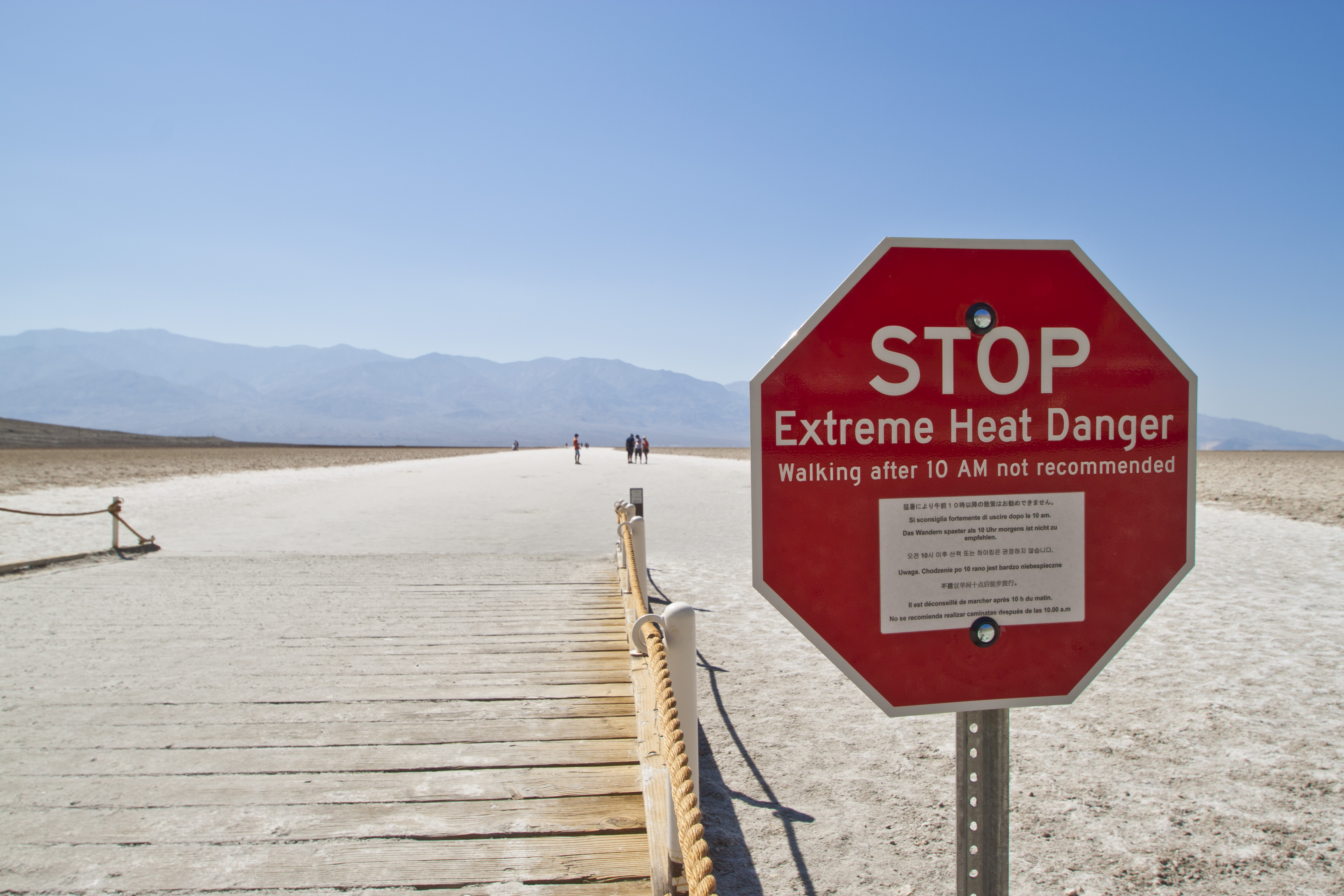
Heat waves affect much of India each summer. Farmers, outdoor workers, children, and elderly people face higher risk, especially in urban heat islands and low-ventilation housing.
Construction workers, farmers, street vendors, traffic staff, elderly adults living alone, and people with chronic illness.
Heavy sweating, dizziness, severe thirst, headache, muscle cramps, nausea, unusual tiredness, reduced urine output.
Confusion, collapse, seizures, very high temperature, hot dry skin, repeated vomiting, or inability to drink fluids.
Heat risk management works best when households, local leaders, schools, and employers follow a shared protocol. A practical community plan should map high-risk people, water points, shade areas, and referral routes before peak summer begins. Families can maintain a simple contact sheet for elderly adults living alone, people with disability, and workers exposed to direct sunlight. At village and ward level, early-morning announcements can remind residents about hydration, rest breaks, and red-flag symptoms.
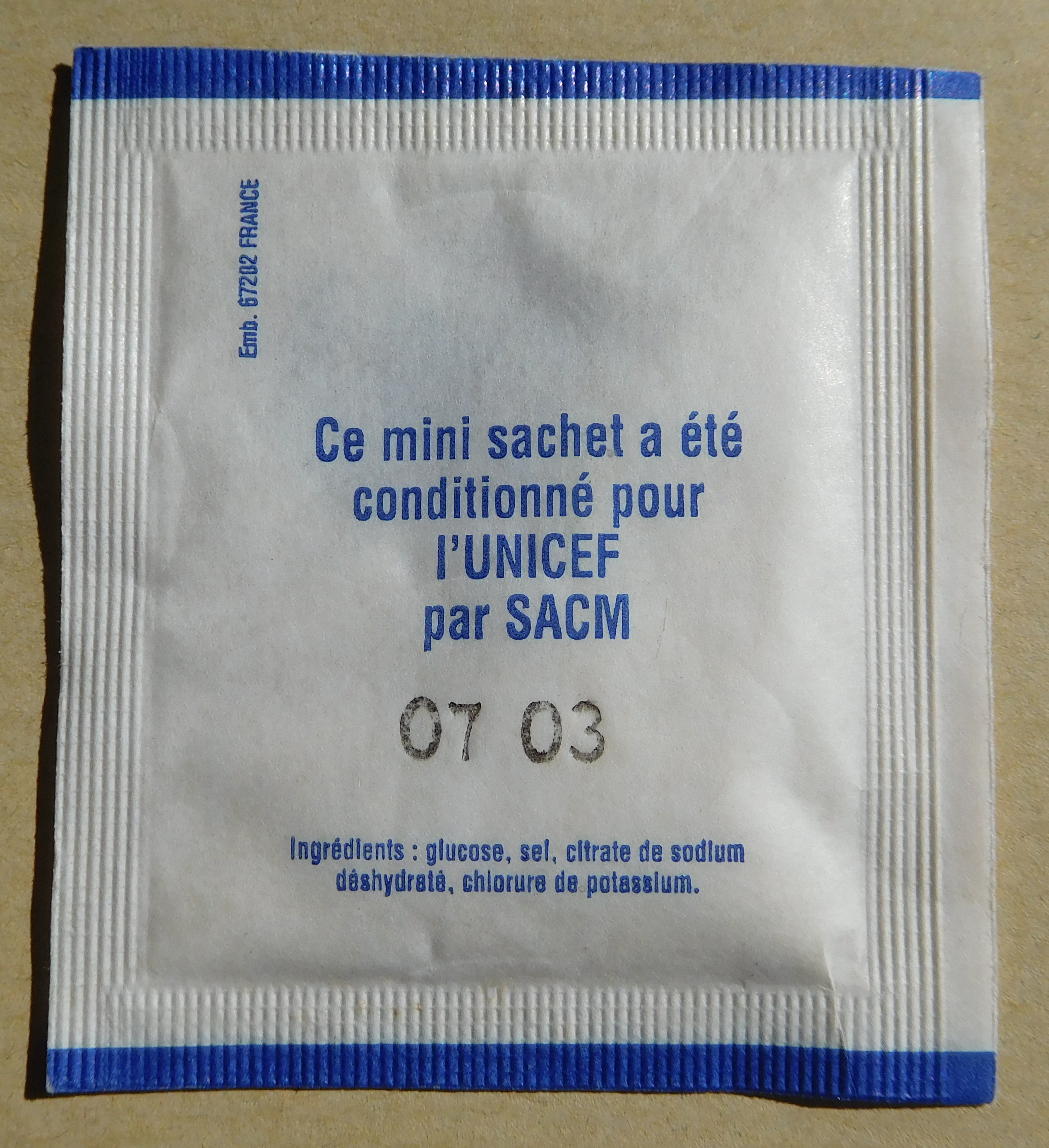
Worksites should define heat-safe timings and mandatory cool-down intervals. For example, heavy manual tasks can be shifted to early morning and late afternoon, while noon hours are reserved for lighter duties in shade. Supervisors should monitor signs like confusion, irritability, imbalance, and unusual fatigue. Schools can stagger outdoor assembly, keep ORS available, and ensure children carry water bottles. Public places such as bus stops, marketplaces, and religious gathering points can display easy symptom charts and emergency numbers.
For many families, trust improves when trained Primary Health Workers explain symptoms clearly, identify danger signs early, and guide timely referral without delay. CMS & ED builds structured first assessment, basic triage, and safe follow-up within legal scope — not specialist treatment. This reduces confusion, panic, and harmful home delays.
When people see practical support such as clear home-care steps, referral checklists, and respectful communication, they are more likely to seek early care, complete treatment, and return for follow-up. In rural and semi-urban areas, this confidence can directly improve outcomes during heat illness, infections, chronic disease risk, and maternal-child health concerns. Community trust grows when care is evidence-based, ethical, and linked to qualified doctors and government services.
भारत में गर्मी की लहर के समय किसान, बाहर काम करने वाले श्रमिक, बच्चे और बुजुर्ग अधिक जोखिम में रहते हैं, खासकर भीड़भाड़ और कम हवादार घरों में।
निर्माण श्रमिक, किसान, रेहड़ी विक्रेता, ट्रैफिक कर्मचारी, अकेले रहने वाले बुजुर्ग, और दीर्घकालिक बीमारी वाले लोग।
बहुत पसीना, चक्कर, तेज प्यास, सिरदर्द, मांसपेशियों में ऐंठन, मतली, असामान्य थकान, पेशाब कम होना।
बेहोशी/घबराहट, गिरना, दौरे, बहुत अधिक तापमान, गर्म सूखी त्वचा, बार-बार उल्टी, पानी न पी पाना।
गर्मी से सुरक्षा सबसे प्रभावी तब होती है जब घर, स्कूल, पंचायत/वार्ड, और कार्यस्थल एक साझा तैयारी योजना अपनाते हैं। गर्मी शुरू होने से पहले उच्च जोखिम वाले लोगों की सूची बनाना उपयोगी है—जैसे अकेले रहने वाले बुजुर्ग, गर्भवती महिलाएं, छोटे बच्चे, और बाहर काम करने वाले श्रमिक। पानी के सुरक्षित स्रोत, छाया वाले स्थान, और अस्पताल तक पहुंचने का रास्ता पहले से तय रखें।
कार्यस्थलों पर दोपहर की तेज गर्मी में भारी काम कम करना और आराम-अंतराल अनिवार्य बनाना चाहिए। स्कूलों में बाहरी गतिविधि का समय कम करें, बच्चों को पानी और ORS के महत्व के बारे में सरल भाषा में समझाएं। बाजार, बस स्टैंड, और सार्वजनिक स्थलों पर गर्मी के खतरे और आपात संकेतों की सूचना लगाना सामुदायिक जागरूकता बढ़ाता है।
जब स्थानीय स्वास्थ्यकर्मी लक्षणों को सरल भाषा में समझाते हैं, जोखिम संकेत जल्दी पहचानते हैं, और समय पर रेफरल का सही मार्ग बताते हैं, तब लोगों का भरोसा बढ़ता है। CMS & ED आधारित प्रशिक्षण से फ्रंटलाइन कार्यकर्ताओं को प्राथमिक आकलन, बुनियादी ट्रायेज, बुखार/शरीर में पानी की कमी पर परामर्श, और वरिष्ठ चिकित्सकीय मार्गदर्शन में सुरक्षित फॉलो-अप संचार करने की क्षमता मिलती है। इससे घबराहट और उपचार में देरी कम होती है।
जब समुदाय को स्पष्ट घरेलू देखभाल कदम, रेफरल चेकलिस्ट, और सम्मानजनक संचार मिलता है, तब लोग जल्दी जांच करवाते हैं, उपचार पूरा करते हैं, और फॉलो-अप में भी सहयोग करते हैं। ग्रामीण और अर्ध-शहरी क्षेत्रों में यह भरोसा हीट इलनेस, संक्रमण, दीर्घकालिक रोग जोखिम, और मातृ-शिशु स्वास्थ्य जैसी स्थितियों में बेहतर परिणाम देने में मदद करता है। भरोसा तब और मजबूत होता है जब देखभाल प्रमाण-आधारित, नैतिक, और योग्य डॉक्टरों व सरकारी सेवाओं से जुड़ी हो।
Please fill the quick admission enquiry details. We will open WhatsApp with your message.