Early warning signs
Persistent low mood, irritability, poor sleep, social withdrawal, fearfulness, low concentration, appetite changes.
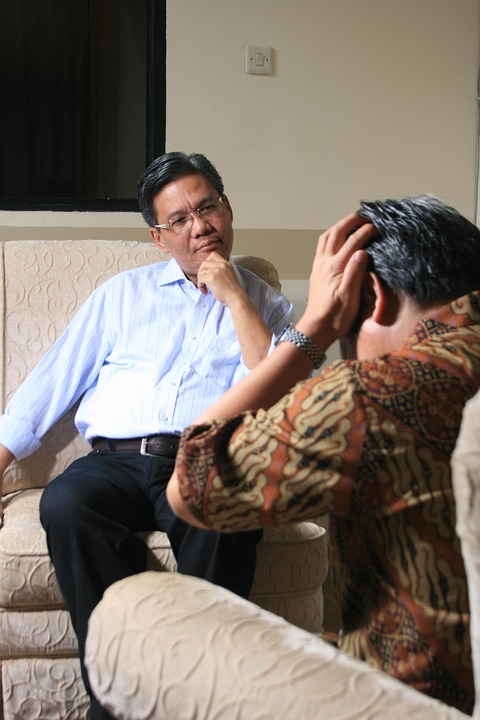
Mental health is a core public health issue across India. Persistent stress, sleep disturbance, fear, and social withdrawal need early support just like any physical illness.
Persistent low mood, irritability, poor sleep, social withdrawal, fearfulness, low concentration, appetite changes.
Listen without judgment, keep routines stable, reduce conflict, and help connect with local health services.
Self-harm thoughts, violent behavior, severe confusion, hearing voices, refusal of food/water, prolonged sleeplessness.
Families can reduce crisis risk by using a simple weekly mental wellbeing routine. Begin with one daily check-in question: “How are you managing today?” Encourage non-judgmental listening and avoid dismissive comments like “be strong” or “ignore it.” Stabilize basics first: sleep timing, meals, hydration, social contact, and light physical activity. If school or work attendance drops, treat it as an early signal for supportive intervention rather than blame.
Caregivers should document concerning changes in behavior, sleep, appetite, and communication over time. This practical timeline helps clinicians evaluate severity and select appropriate support. In communities with limited specialists, primary-care doctors, district programmes, tele-counselling, and trained community workers can provide first-line support and referral.
For many families, trust improves when trained Primary Health Workers explain symptoms clearly, identify danger signs early, and guide timely referral without delay. CMS & ED builds structured first assessment, basic triage, and safe follow-up within legal scope — not specialist treatment. This reduces confusion, panic, and harmful home delays.
When people see practical support such as clear home-care steps, referral checklists, and respectful communication, they are more likely to seek early care, complete treatment, and return for follow-up. In rural and semi-urban areas, this confidence can directly improve outcomes during heat illness, infections, chronic disease risk, and maternal-child health concerns. Community trust grows when care is evidence-based, ethical, and linked to qualified doctors and government services.
मानसिक स्वास्थ्य भारत में एक महत्वपूर्ण सार्वजनिक स्वास्थ्य विषय है। लगातार तनाव, नींद की समस्या, डर, और लोगों से दूरी बनाना शुरुआती सहायता की मांग करता है।
लगातार उदासी, चिड़चिड़ापन, नींद खराब होना, लोगों से दूरी, ध्यान कम लगना, भूख में बदलाव।
बिना जजमेंट सुने, दिनचर्या स्थिर रखें, टकराव कम करें, और स्वास्थ्य सेवा से जोड़ने में मदद करें।
आत्म-हानि के विचार, हिंसक व्यवहार, गंभीर भ्रम, आवाजें सुनाई देना, खाना-पानी छोड़ना, कई दिनों की अनिद्रा।
परिवार मानसिक संकट रोकने में बड़ी भूमिका निभा सकता है। रोज एक सरल बातचीत शुरू करें—“आज आप कैसा महसूस कर रहे हैं?” बिना जजमेंट सुने, तुलना न करें, और “मजबूत बनो” जैसे वाक्यों से बचें। पहले बुनियादी चीजें स्थिर करें: नींद का समय, नियमित भोजन, पानी, हल्की गतिविधि, और भरोसेमंद व्यक्ति से संपर्क। स्कूल/काम से दूरी बढ़ना शुरुआती संकेत हो सकता है, इसे अनुशासन की कमी समझकर नजरअंदाज न करें।
व्यवहार, नींद, भूख, और संवाद में बदलाव का छोटा रिकॉर्ड रखें। डॉक्टर/काउंसलर को यह जानकारी निर्णय लेने में मदद करती है। जहां विशेषज्ञ कम हों, वहां प्राथमिक स्वास्थ्य केंद्र, जिला मानसिक स्वास्थ्य कार्यक्रम, टेली-काउंसलिंग और प्रशिक्षित सामुदायिक कार्यकर्ता मदद का पहला चरण बन सकते हैं।
जब स्थानीय स्वास्थ्यकर्मी लक्षणों को सरल भाषा में समझाते हैं, जोखिम संकेत जल्दी पहचानते हैं, और समय पर रेफरल का सही मार्ग बताते हैं, तब लोगों का भरोसा बढ़ता है। CMS & ED आधारित प्रशिक्षण से फ्रंटलाइन कार्यकर्ताओं को प्राथमिक आकलन, बुनियादी ट्रायेज, बुखार/शरीर में पानी की कमी पर परामर्श, और वरिष्ठ चिकित्सकीय मार्गदर्शन में सुरक्षित फॉलो-अप संचार करने की क्षमता मिलती है। इससे घबराहट और उपचार में देरी कम होती है।
जब समुदाय को स्पष्ट घरेलू देखभाल कदम, रेफरल चेकलिस्ट, और सम्मानजनक संचार मिलता है, तब लोग जल्दी जांच करवाते हैं, उपचार पूरा करते हैं, और फॉलो-अप में भी सहयोग करते हैं। ग्रामीण और अर्ध-शहरी क्षेत्रों में यह भरोसा हीट इलनेस, संक्रमण, दीर्घकालिक रोग जोखिम, और मातृ-शिशु स्वास्थ्य जैसी स्थितियों में बेहतर परिणाम देने में मदद करता है। भरोसा तब और मजबूत होता है जब देखभाल प्रमाण-आधारित, नैतिक, और योग्य डॉक्टरों व सरकारी सेवाओं से जुड़ी हो।
Please fill the quick admission enquiry details. We will open WhatsApp with your message.