Common exposure points
Uncovered drinking containers, flood-contaminated water lines, roadside food contamination, poor hand hygiene.
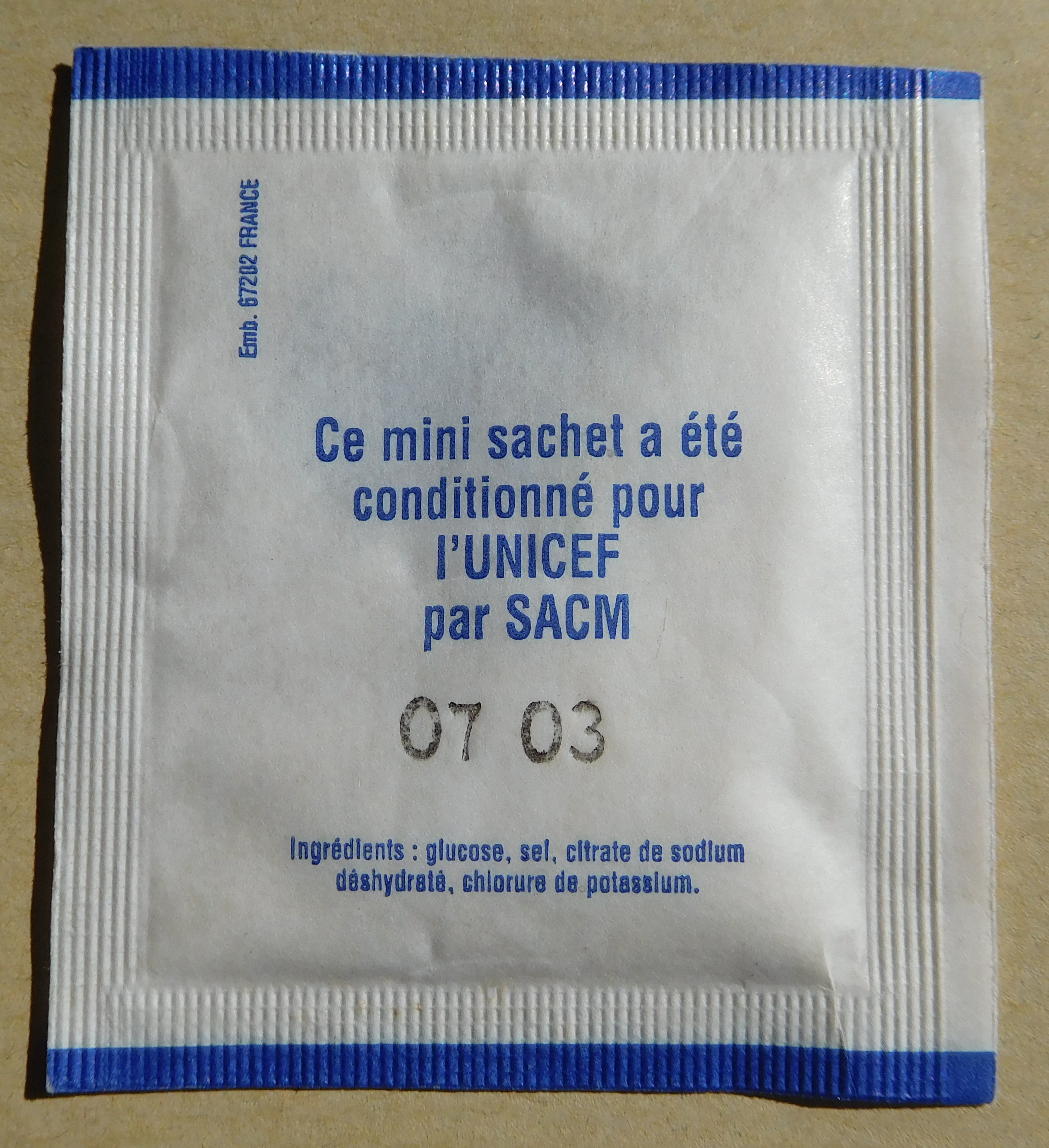
Water-borne infections remain a major community health risk in many parts of India, especially during summer shortages and monsoon flooding. Early hydration and safe-water habits prevent severe dehydration.
Uncovered drinking containers, flood-contaminated water lines, roadside food contamination, poor hand hygiene.
Dry mouth, unusual thirst, low urine, weakness, dizziness, irritability in children, sunken eyes.
Children under five, elderly adults, pregnant women, and people with poor baseline nutrition.
At first signs of loose stools, begin oral fluid replacement immediately. Use ORS in frequent small sips rather than occasional large amounts. Continue feeding according to tolerance, especially in children; prolonged fasting worsens weakness and recovery. Track stool frequency, vomiting episodes, and urine output. A simple written log helps caregivers communicate progression to doctors and prevents underestimation of dehydration risk.
For infants and young children, continue breastfeeding and offer age-appropriate feeds. Adults with physically demanding jobs should rest and avoid sun exposure during acute diarrhoeal episodes. Home care should never delay referral when danger signs appear. If there is persistent vomiting, blood in stool, or reduced responsiveness, proceed to facility care early.
For many families, trust improves when trained Primary Health Workers explain symptoms clearly, identify danger signs early, and guide timely referral without delay. CMS & ED builds structured first assessment, basic triage, and safe follow-up within legal scope — not specialist treatment. This reduces confusion, panic, and harmful home delays.
When people see practical support such as clear home-care steps, referral checklists, and respectful communication, they are more likely to seek early care, complete treatment, and return for follow-up. In rural and semi-urban areas, this confidence can directly improve outcomes during heat illness, infections, chronic disease risk, and maternal-child health concerns. Community trust grows when care is evidence-based, ethical, and linked to qualified doctors and government services.
भारत के कई हिस्सों में जलजनित बीमारियां आज भी बड़ी समस्या हैं, खासकर गर्मी में पानी की कमी और मानसून में जल-प्रदूषण के समय। समय पर ORS और सुरक्षित पानी की आदतें गंभीर शरीर में पानी की कमी रोकती हैं।
खुले पानी के बर्तन, बाढ़ के बाद दूषित जल, खुला खाना, और हाथ न धोना।
मुंह सूखना, तेज प्यास, पेशाब कम होना, कमजोरी, चक्कर, बच्चों में चिड़चिड़ापन, आंखें धंसी लगना।
पांच साल से कम बच्चे, बुजुर्ग, गर्भवती महिलाएं, और कुपोषण वाले लोग।
दस्त शुरू होते ही तरल देना तुरंत शुरू करें। ORS को थोड़ी-थोड़ी मात्रा में बार-बार दें, एक साथ ज्यादा मात्रा देने की जरूरत नहीं। बच्चों में स्तनपान और हल्का भोजन जारी रखें; लंबे समय तक खाना रोकना कमजोरी बढ़ाता है। दस्त/उल्टी की संख्या और पेशाब का रिकॉर्ड रखें ताकि डॉक्टर को सही स्थिति बताई जा सके।
छोटे बच्चों और बुजुर्गों में शरीर में पानी की कमी तेजी से बढ़ सकता है, इसलिए घरेलू देखभाल के साथ सतर्क निगरानी जरूरी है। यदि लगातार उल्टी, मल में खून, या सुस्ती बढ़े तो तुरंत स्वास्थ्य केंद्र जाएं।
जब स्थानीय स्वास्थ्यकर्मी लक्षणों को सरल भाषा में समझाते हैं, जोखिम संकेत जल्दी पहचानते हैं, और समय पर रेफरल का सही मार्ग बताते हैं, तब लोगों का भरोसा बढ़ता है। CMS & ED आधारित प्रशिक्षण से फ्रंटलाइन कार्यकर्ताओं को प्राथमिक आकलन, बुनियादी ट्रायेज, बुखार/शरीर में पानी की कमी पर परामर्श, और वरिष्ठ चिकित्सकीय मार्गदर्शन में सुरक्षित फॉलो-अप संचार करने की क्षमता मिलती है। इससे घबराहट और उपचार में देरी कम होती है।
जब समुदाय को स्पष्ट घरेलू देखभाल कदम, रेफरल चेकलिस्ट, और सम्मानजनक संचार मिलता है, तब लोग जल्दी जांच करवाते हैं, उपचार पूरा करते हैं, और फॉलो-अप में भी सहयोग करते हैं। ग्रामीण और अर्ध-शहरी क्षेत्रों में यह भरोसा हीट इलनेस, संक्रमण, दीर्घकालिक रोग जोखिम, और मातृ-शिशु स्वास्थ्य जैसी स्थितियों में बेहतर परिणाम देने में मदद करता है। भरोसा तब और मजबूत होता है जब देखभाल प्रमाण-आधारित, नैतिक, और योग्य डॉक्टरों व सरकारी सेवाओं से जुड़ी हो।
Please fill the quick admission enquiry details. We will open WhatsApp with your message.