Where risk increases
Stagnant water in coolers, tyres, buckets, rooftop tanks, drains, and construction sites.
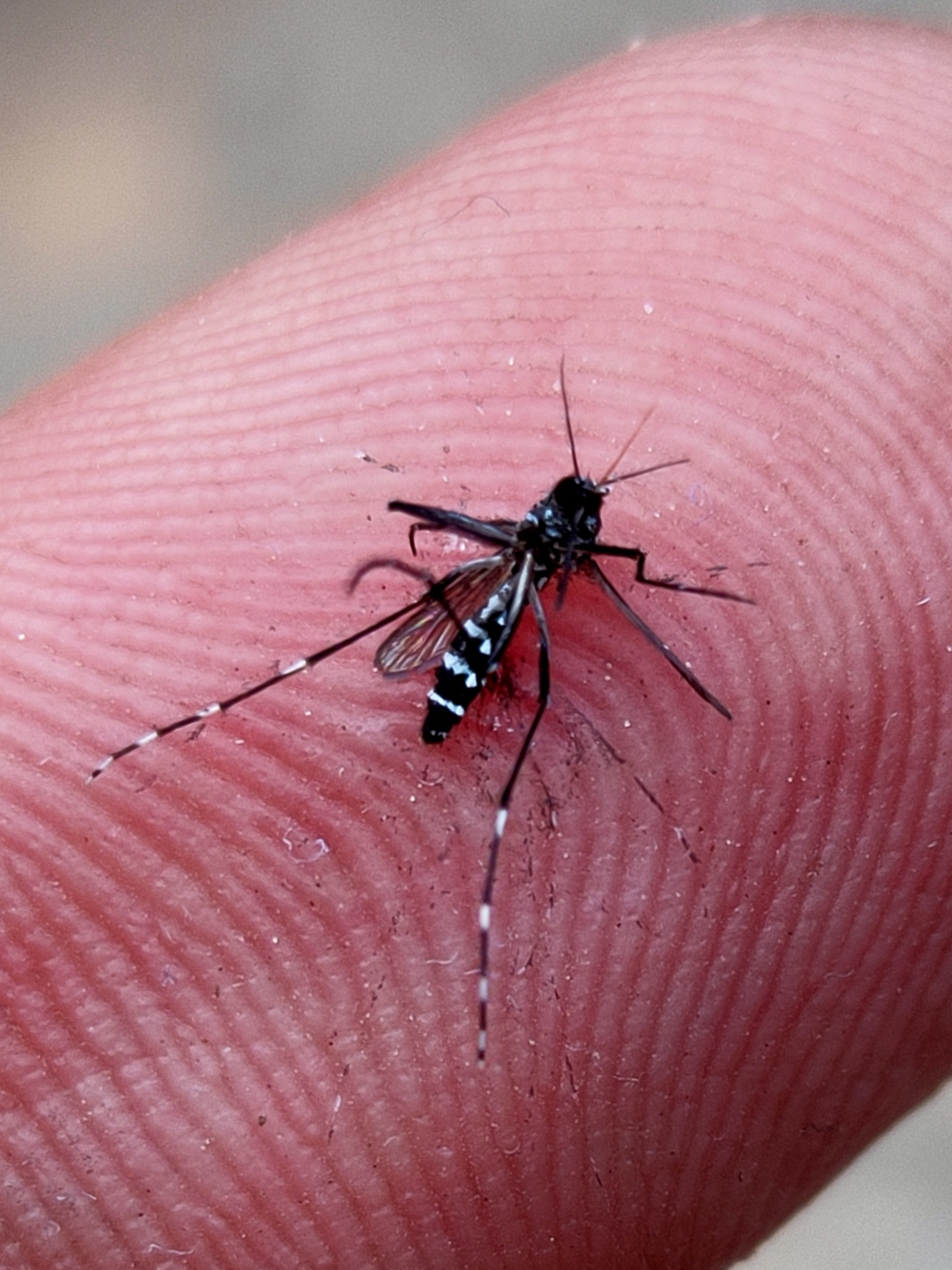
Dengue and malaria rise sharply across many Indian regions during monsoon and post-monsoon months. Early testing and mosquito-source control prevent severe outcomes.
Stagnant water in coolers, tyres, buckets, rooftop tanks, drains, and construction sites.
High fever, body pain, headache, chills, rash, nausea, unusual weakness, reduced appetite.
Bleeding, persistent vomiting, severe abdominal pain, confusion, very low urine output, breathing distress.
Dengue and malaria control is most effective when prevention is treated as a weekly habit rather than a one-time campaign. A practical model is “check, clean, cover” every Sunday: check all potential water-holding sites, clean containers with scrubbing, and cover storage units tightly. Resident groups can divide lanes or blocks so each volunteer reviews a limited set of locations. Schools and anganwadi centres can run short demonstrations on identifying larvae and protecting children during peak mosquito season.
Families should assign one person to track fever onset, hydration status, and warning signs. Fever diaries help when speaking with doctors because timing and progression influence diagnosis. Avoid panic but avoid delay: when severe signs appear, urgent referral is safer than repeated home remedies. Community messaging should emphasize that both diseases are preventable and manageable with early care, while severe complications arise mainly from late response or missed warning signs.
For many families, trust improves when trained Primary Health Workers explain symptoms clearly, identify danger signs early, and guide timely referral without delay. CMS & ED builds structured first assessment, basic triage, and safe follow-up within legal scope — not specialist treatment. This reduces confusion, panic, and harmful home delays.
When people see practical support such as clear home-care steps, referral checklists, and respectful communication, they are more likely to seek early care, complete treatment, and return for follow-up. In rural and semi-urban areas, this confidence can directly improve outcomes during heat illness, infections, chronic disease risk, and maternal-child health concerns. Community trust grows when care is evidence-based, ethical, and linked to qualified doctors and government services.
भारत में मानसून और उसके बाद के महीनों में डेंगू और मलेरिया का जोखिम तेजी से बढ़ता है। समय पर जांच और मच्छर-प्रजनन नियंत्रण से गंभीर स्थितियां रोकी जा सकती हैं।
कूलर, टायर, बाल्टी, टंकी, नालियां, और निर्माण स्थलों में जमा पानी।
तेज बुखार, बदन दर्द, सिरदर्द, कंपकंपी, दाने, मतली, कमजोरी, भूख कम लगना।
खून आना, लगातार उल्टी, पेट में तेज दर्द, भ्रम, बहुत कम पेशाब, सांस लेने में तकलीफ।
डेंगू/मलेरिया नियंत्रण तब सफल होता है जब इसे साप्ताहिक आदत बनाया जाए। “देखें, साफ करें, ढकें” मॉडल अपनाएं—हर सप्ताह पानी जमा होने वाले स्थान देखें, बर्तन रगड़कर साफ करें, और सभी कंटेनर ढककर रखें। मोहल्ला/गांव में स्वयंसेवक क्षेत्रवार जिम्मेदारी लें ताकि निगरानी नियमित हो। स्कूल और आंगनवाड़ी में मच्छर प्रजनन पहचान और बच्चों की सुरक्षा पर छोटे सत्र चलाए जा सकते हैं।
घर में बुखार होने पर एक सदस्य लक्षणों का रिकॉर्ड रखे—बुखार कब शुरू हुआ, पानी कितना पिया, उल्टी/दर्द/खून जैसे संकेत हैं या नहीं। यह जानकारी डॉक्टर को सही निर्णय लेने में मदद करती है। घबराहट से ज्यादा जरूरी है समय पर कदम: गंभीर संकेत पर घरेलू उपायों में समय न गँवाकर सीधे अस्पताल जाएं।
जब स्थानीय स्वास्थ्यकर्मी लक्षणों को सरल भाषा में समझाते हैं, जोखिम संकेत जल्दी पहचानते हैं, और समय पर रेफरल का सही मार्ग बताते हैं, तब लोगों का भरोसा बढ़ता है। CMS & ED आधारित प्रशिक्षण से फ्रंटलाइन कार्यकर्ताओं को प्राथमिक आकलन, बुनियादी ट्रायेज, बुखार/शरीर में पानी की कमी पर परामर्श, और वरिष्ठ चिकित्सकीय मार्गदर्शन में सुरक्षित फॉलो-अप संचार करने की क्षमता मिलती है। इससे घबराहट और उपचार में देरी कम होती है।
जब समुदाय को स्पष्ट घरेलू देखभाल कदम, रेफरल चेकलिस्ट, और सम्मानजनक संचार मिलता है, तब लोग जल्दी जांच करवाते हैं, उपचार पूरा करते हैं, और फॉलो-अप में भी सहयोग करते हैं। ग्रामीण और अर्ध-शहरी क्षेत्रों में यह भरोसा हीट इलनेस, संक्रमण, दीर्घकालिक रोग जोखिम, और मातृ-शिशु स्वास्थ्य जैसी स्थितियों में बेहतर परिणाम देने में मदद करता है। भरोसा तब और मजबूत होता है जब देखभाल प्रमाण-आधारित, नैतिक, और योग्य डॉक्टरों व सरकारी सेवाओं से जुड़ी हो।
Please fill the quick admission enquiry details. We will open WhatsApp with your message.